


Exploring Nepalese Culinary Techniques with Pab's Kitchen
- Dec 22, 2025
- 4 min read
Nepalese cuisine is a vibrant tapestry of flavours, textures, and aromas that reflect the rich cultural heritage of the Himalayan region. If you love exploring new tastes and cooking styles, you’re in for a treat! Today, we’re diving into the heart of Nepalese culinary techniques, sharing practical tips and delicious recipes that you can try at home. Whether you’re a seasoned cook or just starting out, this guide will inspire you to bring the magic of Nepalese food into your kitchen.
Discovering the Essence of Nepalese Culinary Techniques
Nepalese cooking is all about balance and harmony. The cuisine combines influences from India, Tibet, and China, resulting in dishes that are both comforting and exciting. One of the key techniques is the use of slow cooking to develop deep, rich flavours. For example, lentils and beans are often simmered for hours to create hearty soups and stews.
Another hallmark is the tempering of spices. This involves heating whole spices like cumin, mustard seeds, and fenugreek in hot oil to release their essential oils before adding them to the dish. This simple step transforms the flavour profile, making it more aromatic and complex.
Here are some essential Nepalese culinary techniques to keep in mind:
Steaming: Used for momos (dumplings) and rice, steaming preserves nutrients and keeps food moist.
Pickling: Nepalese pickles, or achar, add a tangy kick to meals and are made with mustard oil, spices, and fresh vegetables.
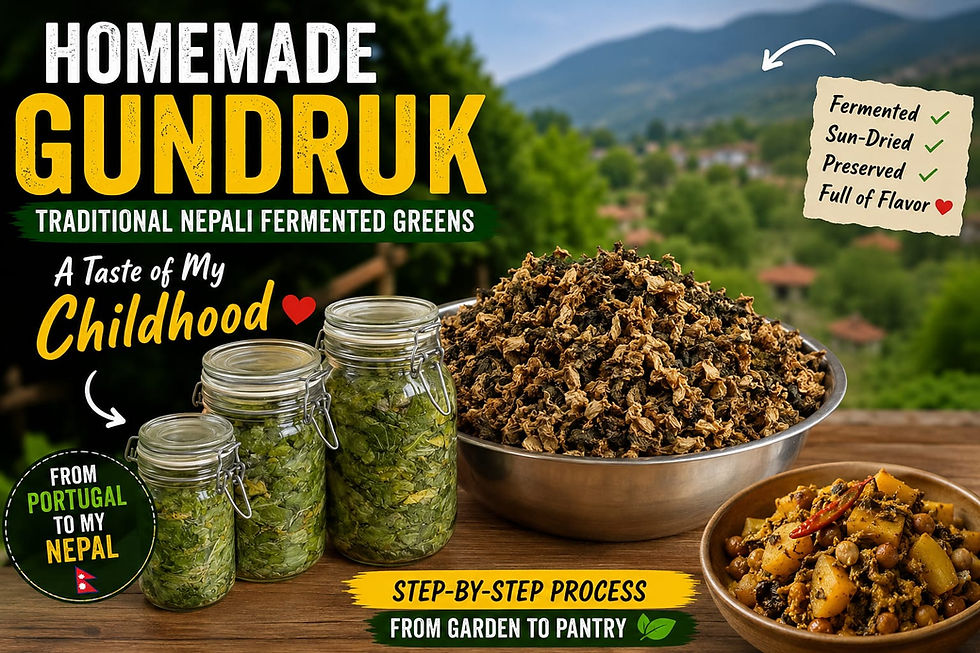
Fermentation: Ingredients like bamboo shoots and radishes are fermented to add depth and a slight tang to dishes.
Mastering these techniques will elevate your cooking and bring authentic Nepalese flavours to your table.

Essential Ingredients in Nepalese Cooking
To cook Nepalese food authentically, you’ll want to stock your pantry with some key ingredients. Many of these are easy to find in international or Asian grocery stores. Here’s a quick list to get you started:
Timur (Szechuan pepper): Adds a unique citrusy and numbing flavour.
Mustard oil: Used for cooking and pickling, it has a pungent aroma and sharp taste.
Ginger and garlic paste: A base for many curries and sauces.
Asafoetida (hing): A pinch adds a subtle onion-garlic flavour, especially in lentil dishes.
Fenugreek seeds: Used in tempering and pickles.
Rice and lentils: Staples in Nepalese meals, often combined in dal bhat (lentil soup with rice).
Using fresh herbs like coriander and mint also brightens up dishes. Don’t forget to experiment with local vegetables such as spinach, potatoes, and cauliflower, which are commonly used in Nepalese cooking.
Cooking Popular Nepalese Dishes at Home
Now, let’s get cooking! Here are some classic Nepalese dishes you can try, complete with tips to make them just right.
Dal Bhat – The Heart of Nepalese Meals
Dal bhat is the ultimate comfort food in Nepal. It’s a simple yet nourishing combination of lentil soup (dal) and steamed rice (bhat), often served with vegetable curries and pickles.
How to make dal bhat:
Rinse 1 cup of lentils and soak for 30 minutes.
Boil lentils with turmeric and salt until soft.
In a separate pan, heat mustard oil and temper with cumin seeds, garlic, and dried red chilies.
Pour the tempering over the cooked lentils.
Serve with steamed basmati rice and your favourite vegetable curry.
This dish is perfect for meal prep and can be customised with different dals like mung or masoor.
Momos – Nepalese Dumplings
Momos are a beloved street food and party favourite. They can be filled with vegetables, chicken, or buffalo meat.
Tips for perfect momos:
Use finely chopped or minced filling for easy wrapping.
Roll the dough thin but sturdy enough to hold the filling.
Steam momos for 10-12 minutes until the dough is translucent.
Serve with a spicy tomato and sesame seed chutney.
Making momos is a fun activity to do with family or friends, and the results are always delicious!

Tips for Bringing Nepalese Flavours into Your Kitchen
Cooking Nepalese food at home can be a joyful adventure. Here are some practical tips to help you get started and keep your dishes authentic:
Invest in a good spice grinder: Freshly ground spices make a huge difference.
Use a heavy-bottomed pan or clay pot: These help distribute heat evenly for slow cooking.
Don’t rush the tempering process: Let the spices sizzle gently in oil to unlock their full flavour.
Experiment with pickles and chutneys: They add layers of taste and texture.
Balance your flavours: Nepalese cuisine often balances salty, sour, spicy, and sweet elements in one dish.
If you want to explore more recipes and tips, pabs kitchen is a fantastic resource. They offer a wide range of Nepalese and Portuguese recipes designed for home cooks who want to create restaurant-quality meals.
Embracing the Nepalese Food Culture
Food in Nepal is more than just sustenance - it’s a way to connect with family, celebrate festivals, and honour traditions. Sharing a meal is a communal experience, often involving multiple dishes and plenty of conversation.
When you cook Nepalese food, you’re not just making a meal; you’re embracing a culture that values hospitality and warmth. Try inviting friends over for a Nepalese-themed dinner night. Prepare a few dishes, share stories about the ingredients, and enjoy the vibrant flavours together.
This approach to food is what makes Nepalese cuisine so special and why it’s gaining popularity worldwide. With a little practice and passion, you can bring this spirit into your own kitchen.
Ready to start your Nepalese cooking journey? Grab your spices, roll up your sleeves, and dive into the wonderful world of Nepalese culinary techniques. Your taste buds will thank you!


Comments